
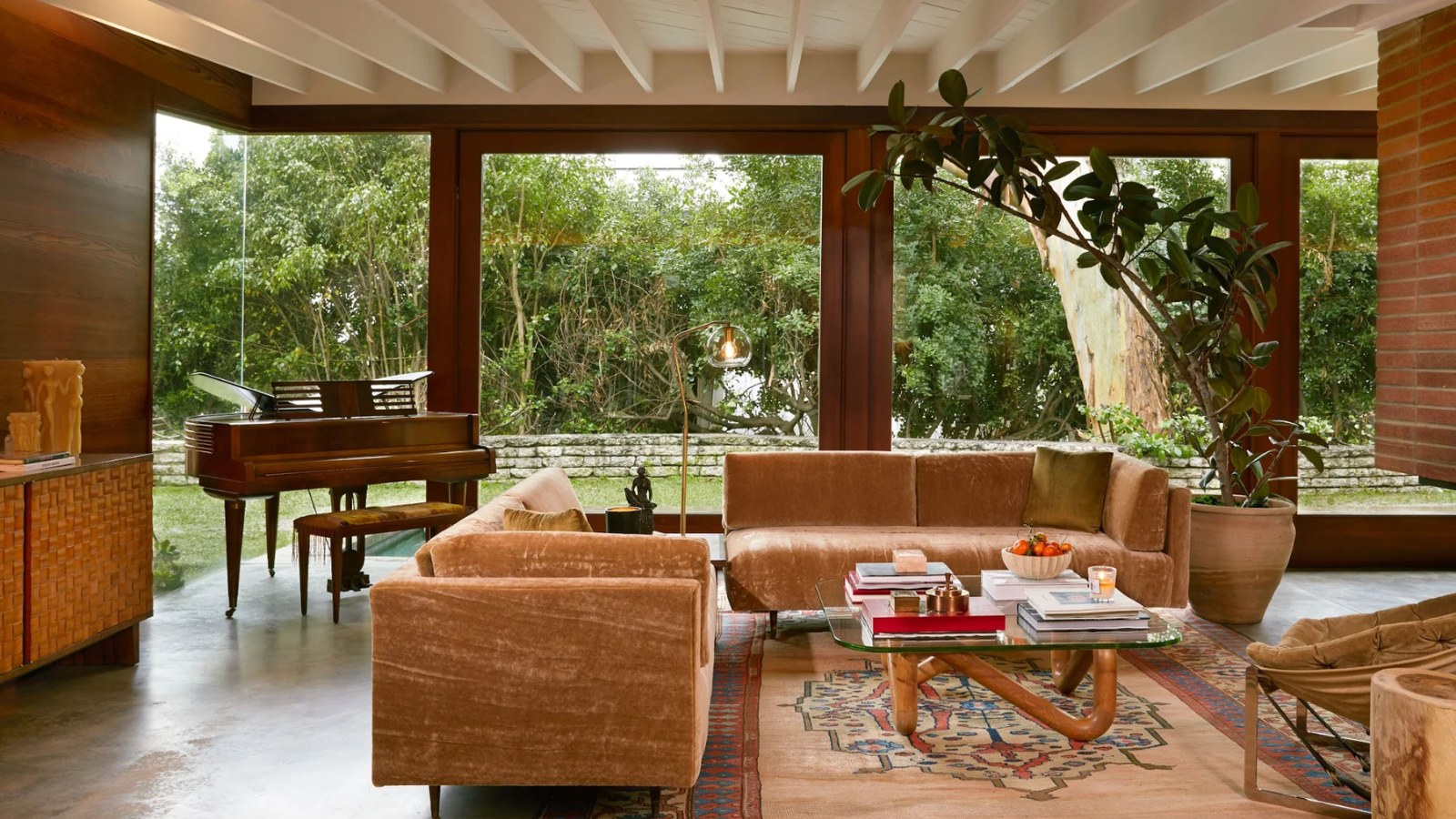
Mid-Century Modern Design Ideas That Never Go Out of Style
Few design movements possess the enduring magnetism of mid-century modern design. Originating in the mid-20th century, it emerged as an aesthetic revolution that celebrated simplicity, innovation, and harmony between man and nature. Defined by clean lines, minimal ornamentation, and functional beauty, mid-century modern design became the architectural and artistic language of a postwar generation seeking clarity and progress. Its influence persists, seamlessly adapting to the evolving landscape of contemporary interiors. Even today, homes adorned with the principles of mid-century modern design stand as icons of timeless sophistication—where every curve, texture, and silhouette tells a story of enduring relevance.
Table of Contents
ToggleThe Genesis of Modern Aesthetics
The roots of this design philosophy trace back to the 1940s through the 1960s, a period charged with optimism and industrial innovation. Architects and designers of the era—such as Eero Saarinen, Charles and Ray Eames, and Florence Knoll—sought to humanize modernism. Their mission was not merely to design furniture but to craft experiences that united functionality with emotional resonance.Influenced by Bauhaus principles, these visionaries emphasized form following function. Every object served a purpose, yet radiated beauty through proportion and restraint. In this sense, the design movement was less about decoration and more about the poetry of structure. It reflected a postwar hopefulness—an aspiration to rebuild with clarity, efficiency, and artistic integrity.
The Power of Simplicity
At its heart lies a devotion to simplicity. The absence of excess does not signify emptiness but rather intention. The uncluttered spaces allow light to flow unimpeded, fostering serenity and openness. Furniture pieces, often elevated on tapered legs, appear to float effortlessly, lending rooms an airy weightlessness.The beauty resides in balance—between linear and organic forms, between warm woods and sleek metals, between nostalgia and modernity. This equilibrium imparts a sense of calm sophistication, a refuge from visual noise. Minimalism in this context is not austerity; it is refinement, where every detail contributes to the overall harmony.
Organic Materials and Earthly Warmth
Natural materials play a pivotal role in the sensory appeal of the style. Teak, walnut, and rosewood dominate the palette, their rich grains providing warmth against clean architectural geometries. These woods age gracefully, acquiring a patina that deepens character over decades. Stone and leather often accompany them, grounding interiors in tactile authenticity.Textiles introduce subtle contrasts—bouclé, linen, and wool soften the sharpness of structural forms. The dialogue between hard and soft surfaces engages the senses, creating interiors that feel both curated and lived-in. This tactile harmony transforms a space from sterile minimalism into an inviting sanctuary.
Architectural Transparency
One of the most transformative elements of this movement is its relationship with light. Expansive windows, open floor plans, and glass partitions dissolve the boundaries between indoors and outdoors. The architecture embraces transparency, encouraging a dialogue with nature. It invites sunlight to sculpt shadows, turning daylight itself into an architectural feature.This transparency also embodies a democratic spirit. The home becomes a space of connection rather than confinement—fluid, adaptable, and egalitarian. The absence of rigid partitions mirrors a society yearning for openness and progress, reflecting the cultural optimism of its era.
Geometry as Art
Geometric purity defines the aesthetic vocabulary of this style. Rectilinear shapes coexist with gentle curves, creating visual rhythm. Tables and chairs often feature biomorphic forms—gentle arcs and sculptural silhouettes inspired by nature’s own engineering. The interplay between geometry and organicism is what lends this style its dynamism.The result is a visual language that feels both structured and spontaneous. It avoids the sterile perfection of strict modernism by embracing imperfection as beauty. A chair may be curved to cradle the body; a lamp may resemble a flower bending toward light. Function and form intertwine poetically.
The Chromatic Signature
Color within these interiors operates with deliberate restraint. Muted tones dominate—earthy browns, olive greens, and soft grays—often juxtaposed with vibrant accent hues such as mustard yellow, turquoise, or burnt orange. These bursts of color punctuate the calm, echoing the optimism of mid-century culture.Walls often remain neutral, allowing furniture and artwork to claim visual focus. The result is a spatial composition akin to a painting—balanced, expressive, and timeless. The thoughtful use of color infuses life without overwhelming the senses, maintaining a delicate balance between energy and repose.
Iconic Furniture and Form
Furniture of this era remains a testament to design ingenuity. The Eames Lounge Chair, with its sculptural wooden shell and supple leather upholstery, epitomizes comfort intertwined with artistry. Saarinen’s Tulip Table redefined dining spaces with its single pedestal base, eliminating visual clutter. Each creation embodied a pursuit of purity—removing the unnecessary until only essence remained.These pieces were not conceived as luxury artifacts but as accessible art for everyday living. Their continued production and popularity affirm their universality. They complement modern technology and traditional architecture alike, proving their relevance across generations.
The Art of Integration
Perhaps the greatest triumph of this aesthetic is its ability to integrate disparate elements into cohesive unity. Architecture, furniture, and decor operate as a single narrative rather than isolated statements. Every element converses with its surroundings—materials, light, and proportion working in concert.This holistic approach cultivates emotional coherence. A space designed in this manner feels intentional yet effortless, like a symphony composed with perfect timing. The principle of integration ensures longevity, allowing spaces to evolve without losing identity.
The Spirit of Innovation
This design movement was born from experimentation. Postwar materials such as molded plywood, fiberglass, and tubular steel allowed designers to explore new possibilities. They pushed boundaries, transforming industrial processes into instruments of art. What began as innovation became legacy.The experimental ethos remains crucial today. Contemporary designers reinterpret mid-century aesthetics through modern materials and sustainable practices. This fusion of heritage and innovation ensures that the style continues to evolve, never ossifying into nostalgia.
The Emotional Resonance of Space
Beyond aesthetics lies emotional resonance. These interiors evoke comfort, optimism, and understated elegance. They remind us that beauty need not shout to be heard. The proportions, textures, and light collectively produce a sense of balance—inviting reflection and repose.In such spaces, one experiences a quiet dialogue between the past and present. The craftsmanship whispers of tradition; the innovation speaks of the future. It is this timeless conversation that endows the style with its immortality.
Modern Interpretations and Adaptations
Contemporary interpretations honor the philosophy while adapting it to today’s needs. Open layouts merge seamlessly with smart home technologies. Recycled materials replace exotic hardwoods, reflecting ecological consciousness. The principles remain intact—clarity, function, and beauty—but the execution evolves with modern sensibilities.Designers experiment with scale, pairing vintage pieces with contemporary accents. The juxtaposition creates tension and depth, breathing new life into familiar forms. The enduring adaptability of the aesthetic proves its conceptual strength—it transcends trends and technological epochs alike.
The Role of Art and Decor
Art holds a vital place within these interiors. Abstract expressionist paintings, geometric prints, and sculptural ceramics echo the era’s artistic movements. They reinforce the design’s dialogue with modernity, offering focal points that elevate simplicity into sophistication.Decorative restraint is key. Every accessory earns its presence. A single sculptural vase, a minimalist clock, or a statement pendant light becomes a focal punctuation mark. The negative space surrounding objects enhances their significance, embodying the philosophy that less is, indeed, more.
Light as Composition
Lighting in these interiors transcends mere function; it becomes composition. Floor lamps arc gracefully across living spaces, pendant fixtures hover like celestial bodies, and wall sconces create geometric patterns of illumination. The choreography of light animates surfaces and textures, accentuating the organic warmth of natural materials.Daylight remains a silent partner in design. Large windows frame landscapes as living artworks, while interior lighting mimics its softness through warm-toned bulbs. This interplay of light and shadow breathes rhythm into static form.
Sustainability and Longevity
Sustainability is not a modern concern alone; it is inherent in this philosophy. The emphasis on durable materials and craftsmanship ensures longevity. Furniture built during the 1950s often remains functional today—a testament to quality over disposability. The timeless aesthetic reduces the impulse for constant reinvention, curbing wasteful consumption.This longevity aligns seamlessly with today’s environmental imperatives. Investing in craftsmanship, valuing restoration over replacement, and cherishing the enduring appeal of natural materials reflect a harmony between design and responsibility.
Global Influence and Cultural Adaptation
What began as a Western movement has transcended geography. The clean lines and functional ethos have been absorbed into diverse cultural contexts—from Scandinavian minimalism to Japanese wabi-sabi aesthetics. Each culture interprets the philosophy through its own lens, infusing it with regional materials and sensibilities.This adaptability underscores the universal appeal of simplicity and balance. The essence lies not in replication but reinterpretation, where the core principles remain while the expression varies across continents.
The Future of Classic Modernism
As digital life reshapes human interaction, the tactile warmth of this design style offers a counterbalance. The human hand is visible in every joinery, curve, and grain. It reminds us of the beauty of imperfection and the intimacy of craft in an increasingly virtual world.Future iterations may incorporate smart materials or augmented reality interfaces, yet the philosophy endures: design that serves life, not the other way around. In this continuity lies its immortality.Within its timeless dialogue between function and form, craftsmanship and innovation, the quiet magic of mid-century modern design continues to inspire, reminding us that elegance, once perfected, never truly fades.


.jpg;w=400 "Greyhounds present enchancment in rematch with Spirit")
